
What makes a Good Private Jet Charter Operator? 5 Checks that Protect Your Trip
Updated: Feb 17
When evaluating Private Jet Charter options, the lowest quote rarely tells the full story, and the most important question is often not “Who can fly me?”, but “Who is actually operating the aircraft, and how have they been vetted?”. Beyond meeting the legal requirements to transport passengers for hire and reward, exceptional operators distinguish themselves through rigorous safety standards, transparent commercial terms and operational resilience, and if you're regularly flying for business or leisure, knowing what to verify can protect both your schedule and your investment.
Below are five essential checks to use when vetting the operator, and a clear view of how Jet Members does this work on your behalf before any flight is confirmed.
1. Safety Standards and Third-Party Accreditations
Both the crew and aircraft need to hold and maintain relevant certifications and inspections - this includes regular maintenance checks, simulator training and upholding the aircraft to all current airworthiness directives. Governing bodies such as the Civil Aviation Authority (CAA) and the European Union Aviation Safety Agency (EASA) conduct regular inspections on how and where the aircraft is maintained, crew training protocols, Crew Resource Management (CRM) and the operator's management structure.
However, operators can apply for additional safety accreditation from independent third-party organisations, and this is where the true distinction lies. Argus Gold and Wyvern Approved certifications represent the most stringent safety standards in private aviation. These are not mere badges; they require flawless safety records, highly trained pilots, comprehensive safety management systems and regular independent audits that assess everything from risk management procedures to incident reporting protocols.
At Jet Members, we exclusively work with operators holding Argus Gold or Wyvern Approved status. This is non-negotiable. When you're travelling at 41,000 feet, knowing your operator has submitted to the highest level of scrutiny offers genuine peace of mind. These certifications also ensure continuous improvement - operators must regularly report flight activity and safety data to maintain their status, creating a culture of accountability and transparency.

2. Commercial Aspects (it's not just about the Initial Price)
Be considered when reviewing the commercials, and not just the initial price point. Given the variety of options available to you, prices can vary significantly, so when comparing quotes, it's essential to consider the following factors in detail:
What Are the Extras and Associated Costs?
The headline price rarely includes everything. Fuel surcharges, catering upgrades, Wi-Fi and communication costs, overnight fees, airport landing and handling charges, and potential additional flight time or demurrage fees can all accumulate. A transparent operator will outline these costs upfront rather than burying them in terms and conditions. If the initial quote seems unusually low, enquire what hasn't been included; this often reveals where corners may be cut.
Cancellation Terms and Flexibility
Consider your position, and the fees, in the event you need to cancel a trip or your programme altogether. Ad-hoc charter flights will generally have harsher cancellation terms than flying programmes, based on the understanding that you would eventually use the hours purchased. Review these terms carefully; some operators impose penalties as high as 100% of the charter cost if you cancel within 48 hours, whilst others offer more reasonable sliding scales.
Your Position in the Event of Substitution or Operational Issues
What happens if there's an aircraft substitution, an unscheduled maintenance issue or another operational reason that affects your flight? A good operator will clearly outline their obligations in these scenarios and provide guaranteed Aircraft-on-Ground (AOG) recovery options. At Jet Members, we include AOG recovery cover as standard, ensuring that if your scheduled aircraft becomes unavailable, a substitute is arranged at no additional cost to you. We also provide de-icing cover during winter operations, protecting you from unexpected surcharges when weather demands additional ground services.
Fund Protection and Price Guarantees
When depositing funds or purchasing flight hours in advance, ensure your money is held in a client trust account rather than the operator's general business account. This protects your investment if the operator faces financial difficulties. Jet Members holds all client funds in trust and offers price protection with a Protected Hourly Rate - once you've committed to a programme, you won't face arbitrary price increases mid-contract.
3. Operational Reliability and Punctuality
This may be difficult to assess if you only occasionally use private jet charter, but the temptation of a low offer can be associated with operators maximising schedules with multiple flights on the same day. This can pose issues if you wish to amend your schedule, or if a preceding charter flight is delayed.
Aircraft Positioning and Turnaround Times
It's prudent to check when the aircraft is scheduled to position to your departure airport. Anything within 45 minutes before your departure is a tight turnaround, and whilst technically achievable, it leaves little margin for error. A 90-minute positioning window is more preferable, allowing some flexibility on the day in the event of slot delays or air traffic control holds. Be aware, however, that requesting a specific positioning buffer may be subject to additional costs if not pre-agreed.
Aircraft Reliability and 'Catching the Snags'
Having a dependable and reliable aircraft is paramount. Both very new and older models at the beginning and end of their life cycles can develop 'snagging' issues which may result in lengthy inspections and delays. These situations are obviously never welcomed, but like any machine, they can happen. What's important is knowing the operator's position in the event of an unscheduled mechanical issue.
Clear and open communication should be standard practice, with a transparent explanation of the actions being taken. Will they recover the schedule with a substitute aircraft if required, and if so, at whose cost? Operators with larger fleets or established partnerships can typically arrange substitutes more efficiently than smaller, independent operators.
At Jet Members, we only work with operators whose aircraft were manufactured after 2004, ensuring access to modern, well-maintained fleets with lower snagging rates and more predictable maintenance cycles.

4. Aircraft and Cabin Standards: The Crew Service Experience
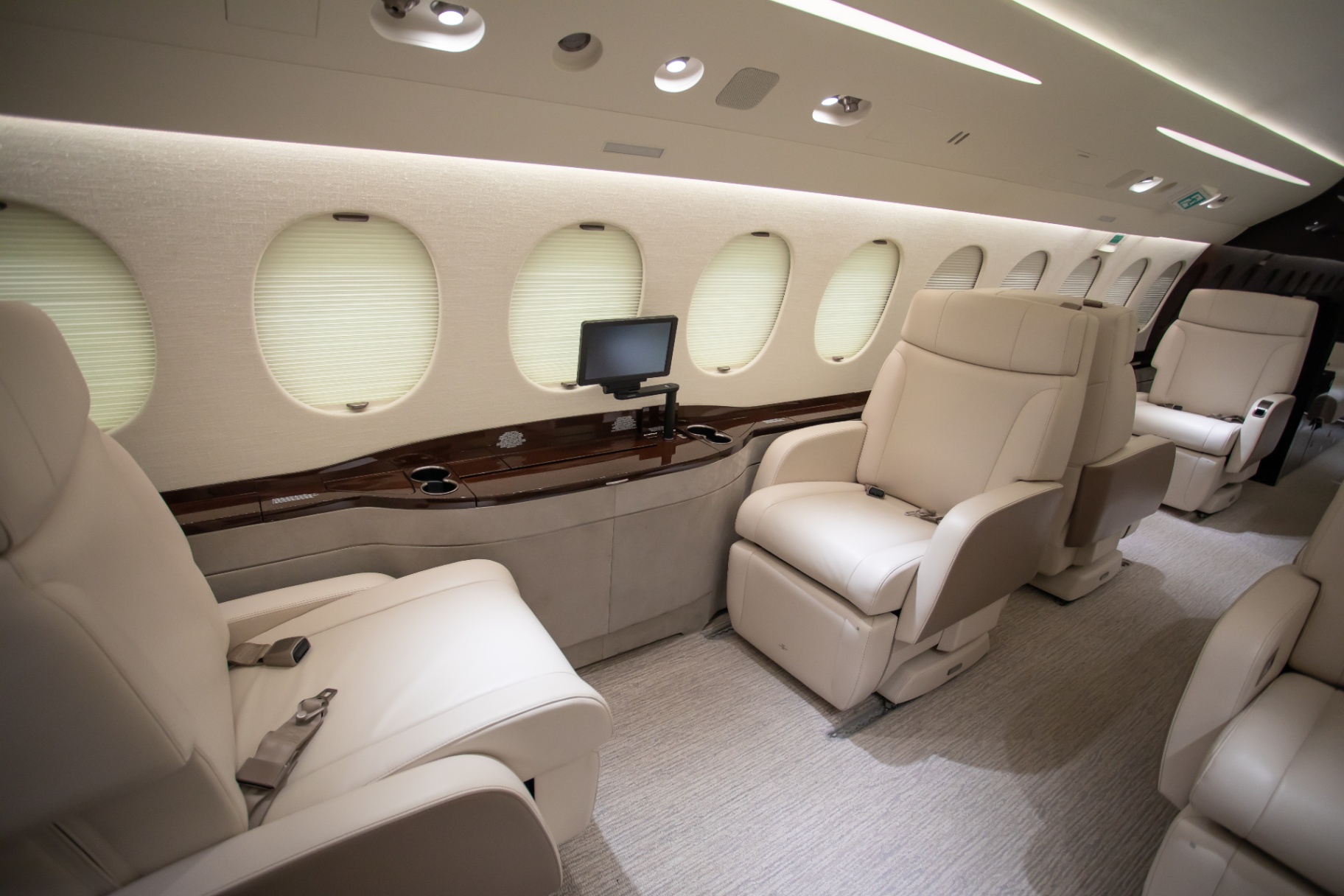
Since many passengers are not pilots or engineers, the quality and appearance of the cabin is often the lens through which the overall operation is judged. Take note of how the aircraft is prepared and cleaned post-flight, the condition of the seats and leather, the state of the carpets and the crew's approach towards the aircraft and ground staff.
Crew Presentation and Engagement
Whether the crew greets passengers at the terminal or only on the aircraft itself can give a quick and important indication of the overall operation. Exceptional crews anticipate needs before they're voiced, offering coat-hanging, briefing on expected flight time and weather, and discreetly managing any service elements without hovering.
The crew's knowledge of the aircraft systems, their preparedness for medical or security situations, and their ability to manage unexpected changes with composure all speak to the operator's training standards and crew culture. If the crew appears hurried, distracted, or unfamiliar with the aircraft's features, it's a red flag.
Cabin Condition and Maintenance
Walk onto the aircraft with an observant eye. Are the seatbelts frayed? Is the cabinetry scuffed or poorly maintained? Are the lavatories pristine or showing signs of neglect? These small details often correlate directly with how seriously the operator takes less visible maintenance - engine inspections, avionics updates and safety system checks. If an operator doesn't care about what you can see, it's worth questioning what you can't.
5. The Little Details that make Big Differences
Who doesn't appreciate feeling valued? Knowing a little about why you're flying, whether for business, leisure or due to a logistical challenge, and being acknowledged during the flight shows a small but key attention to detail. Generally, if the small touches are accounted for, the overall operation should be of a high quality.
Personalisation and Preparation
Has the crew been briefed about an anniversary, birthday or special greeting to get the trip off on the right foot? Have they refined the catering order to your specific dietary preferences, or are they serving a generic selection? Is anyone in your party nervous about flying and may need additional reassurance? Are the crew aligned with your schedule, aware of your onward connections, and prepared to adjust if your plans shift?
These considerations may seem minor, but they reflect an operator's commitment to service excellence. At Jet Members, our experienced Account Managers look at these details to ensure the right option is provided to our members, not just the cheapest.
Sustainability and Responsibility
In 2026, environmental responsibility is no longer optional, it's expected. At Jet Members, we include carbon offsetting as standard across all flights, partnering with certified programmes that fund renewable energy projects and reforestation initiatives. Whilst private aviation will always carry a carbon footprint, working with operators who take proactive steps to mitigate environmental impact reflects a commitment to responsible stewardship.
Why Standards Matter More Than Ever
We understand that price will be an important factor for any private charter, but ultimately, in instances where the difference in charter prices may be negligible, an impartial approach and knowledge of the differences between operators can be significant. It's better to elect the right option than be disappointed with an expensive, below-par experience.
When you choose Jet Members, you're choosing an advisory service that holds every operator to the same exacting standards we would expect for ourselves; Argus Gold or Wyvern Approved, commercially licensed, aircraft manufactured after 2004, funds held in trust, price protection, AOG recovery, de-icing cover and carbon offsetting included. These aren't upsells or optional extras: they're the baseline.
If you'd like to discuss your upcoming travel requirements or explore how our membership programmes provide consistent access to these standards, our Account Managers are available to guide you through your options.

Comments