
Phenom 300 vs Citation XLS: The Ultimate Super Light Cabin Showdown
Updated: Mar 9
If you're in the market for a Super Light Jet that balances performance, comfort and operating costs, you've likely narrowed it down to two heavyweights: the Embraer Phenom 300 and the Cessna Citation XLS. Both aircraft have earned their stripes in the private aviation world, but they approach the challenge from slightly different angles.
The Phenom 300 recently dethroned the Citation Excel family after a 15-year reign as the most-used private jet globally, a testament to its modern appeal and operational efficiency. Meanwhile, the Citation XLS (and its successor, the Citation Ascend) continues to hold its ground with a spacious cabin and proven reliability. So which Super Light Jet deserves a spot in your travel plans?
Let's break down the numbers, the experience and what actually matters when you're 45,000 feet above the Atlantic.
The Head-to-Head: Dimensions and Costs
Before we dive into the nuances, here's how these two Super Light cabin jets stack up on paper:
Specs | Phenom 300 | Citation XLS |
Cabin Height | 1.50m (4'11") | 1.73m (5'8") |
Cabin Width | 1.55m (5'1") | 1.68m (5'6") |
Cabin Length | 5.23m (17'2") | 5.64m (18'6") |
Fuel Burn (GPH) | 158 gal/hr | 210 gal/hr |
Typical Hourly Cost | £2,800 - £3,200 | £3,300 - £3,800 |
The numbers tell part of the story, but as any seasoned traveller knows, specs alone don't determine which aircraft will best serve your needs.

Performance: Where the Phenom 300 Pulls Ahead
When it comes to raw performance metrics, the Phenom 300 has a clear edge. It climbs at an impressive 4,500 feet per minute, getting you to cruise altitude faster and above most weather systems. Both aircraft share a service ceiling of 45,000 feet, putting them in rarefied air with smoother rides and more direct routings flying above other commercial traffic.
Perhaps more impressive is the fuel efficiency. The Phenom 300 typically burns less fuel per hour than the Citation XLS (158 gal/hr versus 210 gal/hr), which, in practical terms, can translate into lower hourly costs alongside a lighter emissions profile. For members who value carbon offsetting as part of their travel footprint, this efficiency gap matters. The Phenom 300 also requires a shorter take-off distance (3,209 feet versus 3,560 feet), opening up access to smaller airfields across Europe. Need to land at Courchevel for a ski weekend or pop into Ibiza during peak season? The Phenom's shorter field performance provides more options.
Cabin Comfort: The Citation's Roomier Appeal
Here's where the Citation XLS claws back territory. If you've ever stood up in a Citation XLS, you'll immediately notice the difference: it offers true stand-up cabin height at 1.73 metres, compared to the Phenom 300's 1.50 metres. For taller passengers or anyone spending more than two hours onboard, that extra headroom creates a noticeably more spacious feel.
The XLS also boasts significantly more baggage capacity: 2.56 cubic metres versus the Phenom's 0.91. If you're travelling with golf clubs, ski equipment, or simply refuse to pack light, the Citation XLS accommodates that lifestyle more gracefully. Its compartmentalised baggage design makes organisation easier, though the Phenom 300's flat-floor luggage compartment arguably makes loading bulkier items more straightforward.

However, cabin volume doesn't tell the complete story. The Phenom 300 compensates for its slightly tighter dimensions with superior technology. We're talking Wi-Fi connectivity, touchscreen controls for lighting and climate, and advanced noise reduction systems. The XLS offers basic in-flight entertainment, but it feels distinctly last-generation compared to the Phenom's more integrated cabin management.
Seating configurations are comparable: both typically accommodate 6–8 passengers, but the Phenom 300's club seating with a recessed aisle and rotating seats tends to feel more modern and flexible. It's a subtle difference, but one you notice over multiple flights.
The Pilot's Perspective
Pilots consistently rate the Phenom 300 as the more enjoyable aircraft to fly. The consensus? It "flies way nicer than an XLS." That might sound subjective, but pilot satisfaction translates directly to your experience. A more responsive, modern aircraft generally means smoother handling, better situational awareness, and ultimately, a more comfortable journey.
The Phenom 300's Prodigy Touch flight deck represents current-generation avionics, whilst the Citation XLS, though capable, dates back to an earlier design philosophy. In practical terms, this means your crew has better tools for weather avoidance, more efficient flight planning and enhanced safety margins.

Operating Costs: The Long Game
Annual fixed costs reveal another advantage for the Phenom 300: approximately £90,000 versus £109,400 for the Citation XLS. Pilot training also costs less: around £25,000 annually, compared to £30,000 for the XLS. When you're chartering regularly or considering membership options, these differences can add up meaningfully.
Hourly operating costs reflect similar economics. The Phenom 300 typically runs £2,800–£3,200 per flight hour, whilst the Citation XLS sits at £3,200–£3,600. Over 200 flight hours annually, that's a saving of up to £80,000; money that could fund additional trips, offset operational inefficiencies, or simply remain in your travel budget.Depreciation deserves mention as well. The Citation Excel family tends to depreciate at 8–10% annually, slightly faster than the Phenom 300. If long-term value retention matters to your decision-making, this tilts marginally in favour of the Brazilian jet.
Enter the Citation Ascend
Worth noting, Textron Aviation recently introduced the Citation Ascend as the successor to the XLS+ lineage. The Ascend addresses some of the XLS's ageing technology with updated avionics and cabin improvements, though it maintains the fundamental airframe and economics of its predecessor. If you're drawn to the Citation's spacious cabin but want more modern systems, the Ascend represents a sensible evolution, though it comes at a higher price point.
Which Super Light Jet Suits Your Travel Profile?
Your ideal aircraft depends on how you actually use private aviation.
Choose the Phenom 300 if:
Fuel efficiency and lower operating costs matter to your budget
You value cutting-edge cabin technology and modern design
Range flexibility and access to smaller airports enhances your travel
Environmental considerations influence your charter decisions
You prioritise performance over maximum cabin volume
Choose the Citation XLS (or Ascend) if:
Stand-up cabin height and spaciousness rank as top priorities
You regularly travel with substantial luggage or equipment
Baggage capacity frequently constrains your travel plans
You prefer the established track record of Cessna's Citation family
Slightly lower acquisition costs (for pre-owned XLS models) fit your circumstances
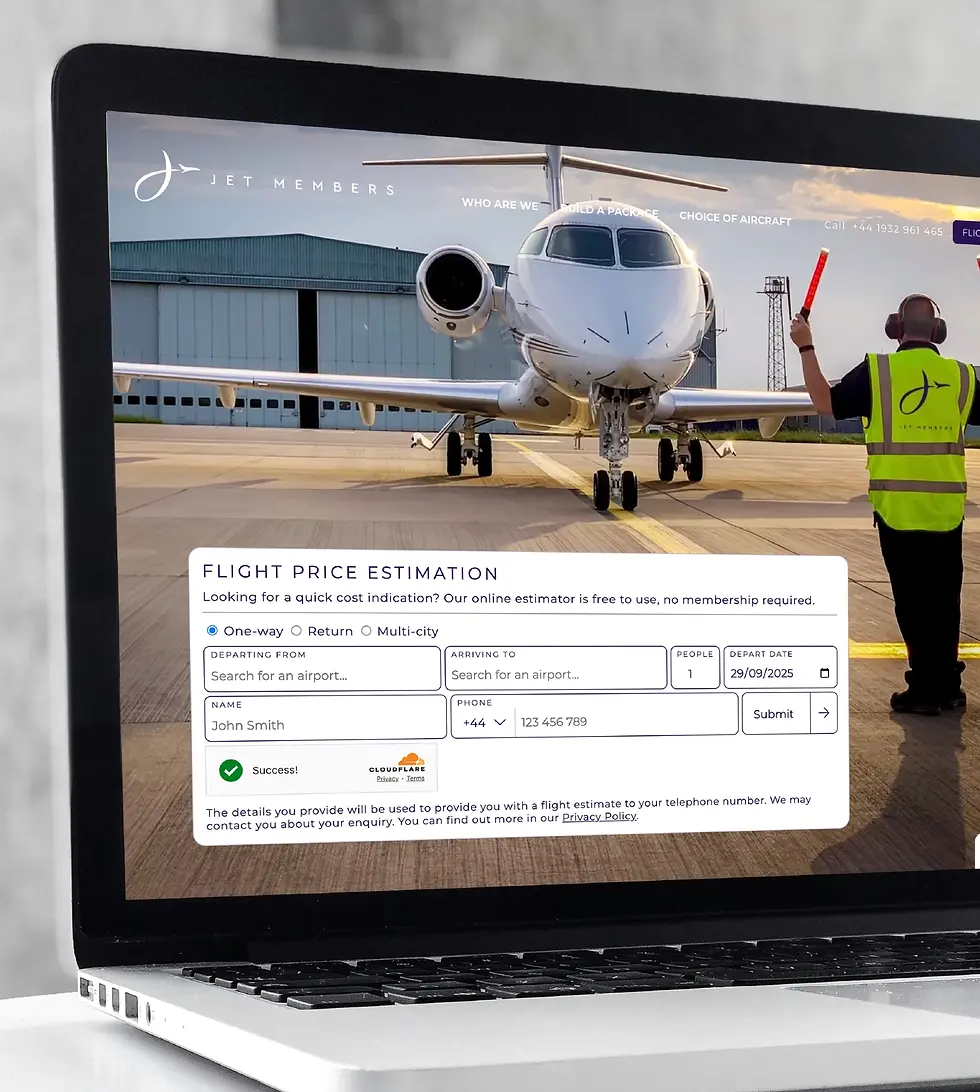
The Jet Members Advantage
Whichever Super Light Jet aligns with your requirements, access matters as much as specification. At Jet Members, we don't lock you into fixed-rate programmes or force you to choose one aircraft type. Our bespoke membership model means you select the right aircraft for each specific journey: Phenom 300 for a fuel-efficient Brussels run, Citation XLS when you need maximum baggage for a ski trip to Chambéry.
Our real-time pricing ensures you're never overpaying for fixed hourly rates when market conditions favour lower costs. Every operator in our network maintains Argus Gold or Wyvern approval - non-negotiable standards that protect your safety. Your membership funds remain protected in client accounts, and we offset carbon emissions across your entire travel portfolio.
Final Approach
The Phenom 300 versus Citation XLS debate ultimately comes down to priorities. The Phenom represents modern efficiency, superior performance and lower operating costs wrapped in a thoroughly contemporary package. The Citation XLS offers proven reliability, generous cabin space, and the practical advantages that come with genuine stand-up headroom.
Both Super Light Jets will get you from London to Málaga comfortably. Both handle European business travel with aplomb. But if you're optimising for efficiency, technology and long-term economics, the Phenom 300 edges ahead. If maximum cabin comfort and baggage capacity trump operational costs, the Citation XLS makes its case.
The good news? You don't have to be committed to just a model. That's precisely what intelligent membership programmes are designed to solve - right aircraft, right mission, right price. Every time.
Comments